
South Africans could be in for a hot summer, with the South African Weather Service’s 2026/27 seasonal outlook indicating above-normal temperatures and drier conditions in parts of the country as El Niño develops. Seasonal forecasts describe probabilities across regions; conditions and the impact on individual homes will vary.
Keeping homes cool is an important consideration for households. Air conditioning may offer welcome relief from rising temperatures, but for consumers already managing high electricity costs, the prospect of running an air conditioner throughout summer raises understandable concerns about affordability and energy consumption.
The challenge for many households is finding a balance between staying comfortable and keeping monthly electricity bills manageable. For those considering installing an air conditioner, questions around energy efficiency, running costs, maintenance and choosing the right system are equally important.
For Kwikot, which has expanded beyond water heating into air conditioning, heating and ventilation through Haier Air & Water Solutions, this growing focus on home cooling reflects a broader need for practical, energy-efficient solutions that can help South Africans manage their indoor comfort.
As households prepare for a potentially hotter summer, Kwikot shares seven practical ways to stay cool while managing electricity consumption.
1. Find your air conditioner’s sweet spot
When temperatures soar, it is tempting to turn your air conditioner down to 16°C for instant relief. However, setting the temperature lower will not necessarily cool your room any faster. Instead, the system may run for longer as it works to reach a much colder temperature.
Kwikot suggests around 21°C–23°C as a comfort setting, depending on your preferences and the conditions in your home. This is not a universal minimum-energy target: choosing the highest cooling setpoint at which you remain comfortable generally reduces the cooling load compared with a colder setting.
Even a small adjustment can help manage electricity consumption, particularly during prolonged hot spells when cooling systems may be running for several hours each day.
2. Don’t let dirty filters drive up your electricity use
With air conditioners likely to see more frequent use during a hotter summer, regular maintenance becomes especially important.
When filters become clogged with dust and dirt, airflow is restricted, which can reduce cooling efficiency and make the system work harder to maintain a comfortable indoor temperature.
Check and clean your air conditioner’s filters regularly according to the manufacturer’s instructions. Professional servicing can also help ensure the system continues operating efficiently and identify potential issues before they turn into costly repairs.
For consumers concerned about long-term running costs, maintenance should be considered an essential part of owning an air conditioner rather than an additional expense to overlook.
3. Close the curtains before the heat gets in
One of the simplest ways to reduce the need for air conditioning is to prevent your home from heating up in the first place.
Direct sunlight entering through windows can raise indoor temperatures, particularly in rooms exposed to the afternoon sun.
Close curtains or blinds during the hottest parts of the day to limit heat entering your home. Light-coloured window coverings or external shading can also help keep rooms cooler.
Once outdoor temperatures drop below those indoors, opening windows can help release trapped heat and allow cooler air to circulate.
These small habits can reduce the amount of cooling required and help prevent your air conditioner from working harder than necessary.
4. Make timers and sleep mode part of your routine
A common concern among consumers is whether running an air conditioner overnight will significantly increase their electricity bills.
While energy consumption depends on the type of system, its efficiency and how it is used, leaving an air conditioner running unnecessarily can add to household costs.
Instead, take advantage of built-in timers, sleep modes and energy-saving settings where available.
A timer allows you to control how long the unit operates, while sleep mode may gradually adjust cooling output or temperature settings throughout the night.
Understanding how to use these features can help households manage their electricity consumption without compromising on comfort.
5. Give your air conditioner a helping hand with a fan
Not every warm day requires air conditioning, even during a hotter summer.
On milder days, a ceiling or pedestal fan may be enough to keep you comfortable. Fans generally consume significantly less electricity than air conditioners and create airflow that helps people feel cooler.
On particularly hot days, a fan can complement your air conditioner by helping circulate cool air more evenly throughout the room.
Remember that fans cool people rather than lowering the temperature of the room itself, so switch them off when nobody is around.
Using different cooling methods according to the weather can help households avoid relying on air conditioning when it is not necessary.
6. Keep the cool air in and the hot air out
Running an air conditioner while doors and windows are open can make it harder to maintain a comfortable indoor temperature, increasing the amount of energy required for cooling.
When your air conditioner is switched on, keep external doors and windows closed and focus on cooling the rooms you are actually using.
Check for gaps around doors and windows that allow warm outdoor air to enter and cool air to escape. Simple measures such as draught seals can help reduce unwanted air leakage.
However, when outdoor temperatures are cooler than those inside, natural ventilation can be an effective alternative. Opening windows on opposite sides of the house can encourage airflow and help release trapped heat.
Finding the right balance between mechanical cooling and natural ventilation can make a difference to both indoor comfort and electricity consumption.
7. Choose the right air conditioner for your home, not just the cheapest option
For households considering investing in an air conditioner ahead of the summer heat, the upfront purchase price is only one part of the equation.
An incorrectly sized air conditioner may struggle to cool a room efficiently or use more electricity than necessary. An oversized unit can also operate inefficiently, depending on the system and conditions.
Before purchasing, consider the size of the room, insulation, exposure to direct sunlight and how frequently the unit will be used. Energy-efficiency ratings, available operating modes and expected running costs should also influence the decision.
Modern inverter air-conditioning systems can adjust compressor output according to cooling demand, potentially using less electricity than comparable conventional fixed-speed systems under suitable operating conditions.
For households looking to reduce their reliance on grid electricity, a solar air conditioner is another option to assess. According to Kwikot, the Haier Solar ECO Inverter Air Conditioner combines solar-powered cooling with energy management that balances solar and grid power. The sunniest parts of the day can coincide with periods of high cooling demand.
Kwikot lists an 18K BTU/h model with DC solar direct drive, an MC4 solar connection and no additional inverter or battery required for DC solar operation. Listed features include AI ECO energy saving, Wi-Fi control and electricity statistics. Solar-panel compatibility, electrical requirements, installation and actual savings need to be assessed for the particular home; the product description does not mean cooling is independent of available sunlight or grid supply in all conditions.
Professional installation is important to ensure the system is correctly sized, positioned and configured for effective performance.
Kwikot’s expansion into HVAC through Haier Air & Water Solutions brings together air-conditioning technology, local technical expertise and after-sales support, recognising that consumers need more than effective cooling. They also need confidence in their system’s efficiency, reliability and long-term operating costs.
Keeping cool shouldn’t mean losing control of your electricity bill
While the full impact of El Niño will vary across the country, the outlook for warmer conditions makes preparing homes for summer increasingly important.
For consumers, this means thinking beyond simply switching on the air conditioner. Choosing an appropriately sized and energy-efficient system, maintaining it regularly and adopting smarter cooling habits can all help manage electricity consumption.
As Kwikot evolves into a broader Air & Water Solutions provider, its expansion into HVAC reflects the growing importance of integrated home comfort solutions that balance performance, energy efficiency and affordability.
With the right approach, South African households can prepare for the summer heat without allowing their electricity bills to rise unnecessarily alongside the temperature.
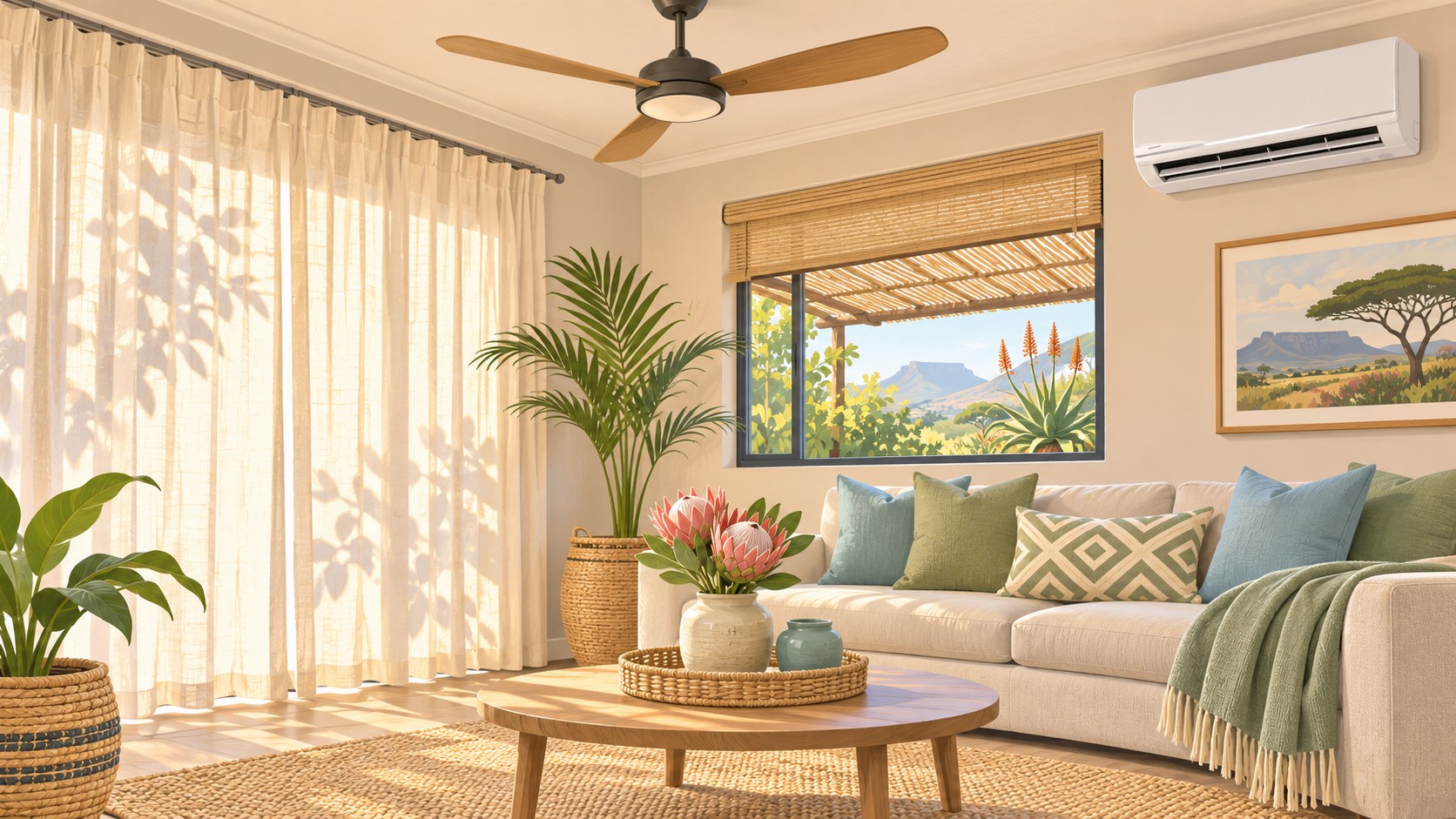
Featured image: AI-generated editorial illustration, not a photograph of a Haier or Kwikot product.